
Food insecurity isn’t only a problem for the individuals and families experiencing it. It ripples through entire communities, economies, and even nations. Though it’s easy to dismiss it as something that only happens elsewhere or only to those far removed from our daily lives, the unfortunate reality is that food insecurity affects us all, directly or indirectly.
Fortunately, there are plenty of ways each of us can help make a difference. Here’s how food insecurity impacts our world and what you can do to help alleviate this pressing issue.
Food Insecurity, Defined
Food insecurity goes beyond hunger. The term was officially coined by the USDA and is defined as having unreliable access to enough nutritious food to lead a healthy and active life.
For some people, that might mean skipping meals. For others, it means relying on cheap, processed foods that may be filling, but are lacking in essential nutrients.
It can be the result of various factors. Unemployment, low wages, health crises, and even natural disasters can all lead to food insecurity. It’s a persistent problem in both urban and rural areas, affecting millions of individuals worldwide.
It’s a lot more common than many realize. In the U.S., 47 million people — including 14 million children — experience food insecurity annually, according to Feeding America.
How Food Insecurity Impacts Everyone
You might be wondering, “How does food insecurity affect me if I have food on my table?”
What you might not yet realize is that food insecurity has far-reaching consequences that touch everyone in society, including you and your community.
For instance, health care costs rise when people lack access to healthy food. Poor nutrition also leads to chronic illnesses such as diabetes, obesity, and heart disease, among other conditions. Such diseases strain health care systems and increase insurance premiums.
Children can be among those hardest hit by food insecurity. It affects their academic performance in school and their future opportunities by extension. Hungry children struggle to focus, learn, and grow into thriving adults. This, in turn, impacts our whole society.
Food insecurity also often leads to social instability. Communities with high levels of hunger and poverty tend to experience more crime and reduced economic growth.
In short, food insecurity isn’t simply a personal issue — it’s a societal problem.
Why Should You Care About Food Insecurity?
Apart from the economic and societal implications, addressing food insecurity is simply the right thing to do. Going to bed hungry or having to choose between buying groceries or paying rent are situations that no one wants to face, yet millions of people do every single day.
Tackling food insecurity isn’t only about helping others. It strengthens our communities and creates a more stable, more equitable society. Everyone benefits when more people have access to the resources they need to thrive.
How You Can Help Alleviate Food Insecurity
Support Local Food Banks and Pantries
Donating to local food banks and pantries is one of the easiest and most effective ways to help. These organizations serve as lifelines for families in need, providing essential groceries and meals.
If you’re wondering, “Where can I donate food near me?” and live in the Greater Philadelphia area, you can do so at Philabundance. In addition to one-time donations of non-perishable food, we accept goods from grocers, distributors, manufacturers, producers, and importers.
Making a one-time donation of food is easy. For donations of non-perishable items under 1,000 pounds, you can deliver to a local agency near you by using our Find Food Map. Just remember to call first to ensure that the location can accept your donation. If you’re not sure what to donate, non-perishable items are always in demand: canned goods, rice, and pasta. You can also call to ask what’s needed most.
We’re also happy to receive donations at our South Philadelphia warehouse, located at 3616 South Galloway Street, Philadelphia, PA 19148. You can schedule an appointment to drop your donation off by emailing fooddrives@philabundance.org.
If you’d rather donate financially, you can also do so by visiting our Donate page, where you can make a one-time or recurring donation.
Volunteer Your Time
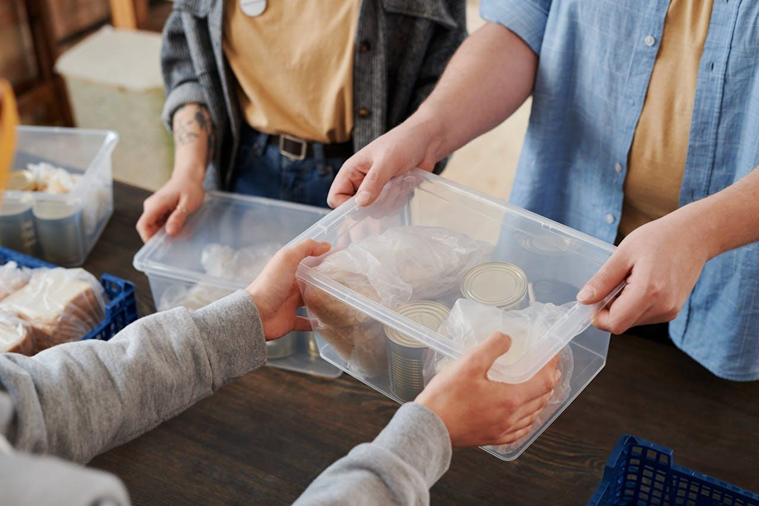
Volunteers are the backbone of food banks and community kitchens. They help sort donations, prepare meals, and distribute food. When you volunteer, you’re not just helping others; it can also be an incredibly rewarding experience. It gives you an opportunity to meet like-minded people and gain a deeper understanding of the challenges facing your community.
To volunteer at Philabundance, visit our Volunteer page to sign up for a shift.
Every action against food insecurity, no matter how small, helps us move closer to a world where everyone has access to nutritious and affordable food. Take a stand against hunger by join our efforts today.